Discover Traditional Food from Puglia (Apulia)
Puglia, internationally known as Apulia, is one of Italy’s richest regions in culinary traditions, where food reflects centuries of rural culture, Mediterranean flavors, and simple ingredients transformed into unforgettable dishes. Located in Southern Italy and surrounded by the sea, Apulia offers a cuisine based on wheat, olive oil, vegetables, almonds, seafood, and artisanal preparations that are still made following traditional methods. Exploring food from Puglia means discovering authentic Italian flavors rooted in local agriculture and family recipes passed down through generations.
Among the most beloved Apulian snacks are taralli, crunchy ring-shaped baked snacks made with olive oil, flour, and white wine, often flavored with fennel seeds or spices. Another iconic street food is focaccia barese, a soft yet crispy bread topped with cherry tomatoes, olives, and extra virgin olive oil, traditionally baked in stone ovens. Simple but delicious are bruschette, toasted bread slices dressed with fresh tomatoes, olive oil, and oregano, while the famous Pane di Altamura, a PDO-certified bread made from local durum wheat semolina, is known for its thick crust, long shelf life, and intense flavor. Sweet spreads like traditional chocolate cream are often paired with this bread for a simple but authentic snack. Also popular are Apulian almonds, prized for their sweetness and crunch, and salted olives, preserved using traditional curing methods that enhance their Mediterranean taste.
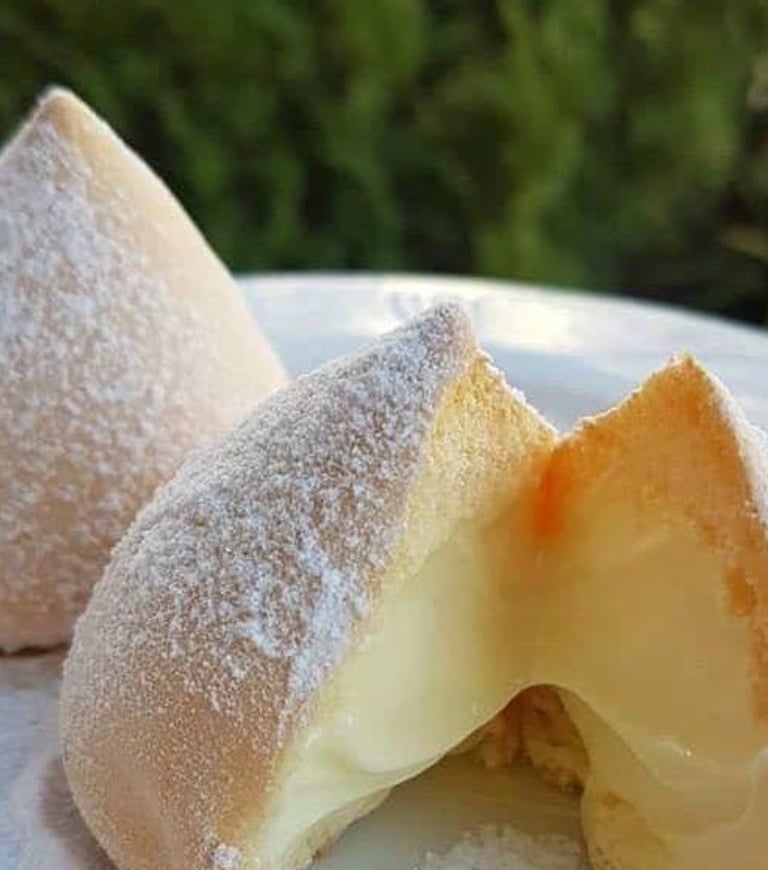
Apulia is also renowned for its desserts, many of which are based on almonds, a key ingredient of the region. Classic sweets include dolci di mandorla, soft almond cookies often flavored with citrus zest, and mandorlato, a crunchy almond nougat traditionally prepared during festive periods. A particularly famous pastry is Tette delle Monache, literally translated as “Nun’s Breasts.” These soft sponge cakes filled with delicate pastry cream and dusted with powdered sugar are said to have been created in convents. The name comes from their rounded shape, which resembles the silhouette of a breast, while the white sugar coating symbolizes purity — a playful yet historic example of how local traditions mix humor with devotion.
Among first courses, pasta plays a central role in Apulian cuisine. The most iconic dish is orecchiette with cime di rapa, small ear-shaped pasta served with turnip greens, garlic, anchovies, and olive oil — a perfect balance of bitterness and richness. Equally traditional are cavatelli with cardoncelli mushrooms and sausage, a hearty dish from inland areas where foraged mushrooms meet local meat traditions. From the coast comes paccheri allo scoglio, large pasta tubes served with mixed seafood, tomatoes, and white wine, capturing the flavors of the Adriatic and Ionian seas.
Second courses reflect both land and sea traditions. Coastal towns are famous for fried fish, often served simply with lemon to highlight freshness, and grilled octopus, cooked over open flames until tender and slightly smoky. Inland areas offer robust meat dishes such as agnello alla rizzola, lamb cooked slowly with herbs and local seasonings, representing the pastoral heritage of the region.
From humble farmer recipes to festive specialties, food from Puglia (Apulia) tells the story of a land where tradition, seasonal ingredients, and Mediterranean simplicity create a cuisine loved throughout Italy and increasingly appreciated worldwide. Discovering Apulian food means experiencing authentic Italian gastronomy at its roots.
Useful Information
Get in touch with us


Get in touch with us
info@winefoodpuglia.com
Socials
Subscribe to our newsletter